Layers of Light, Layers of Luxury

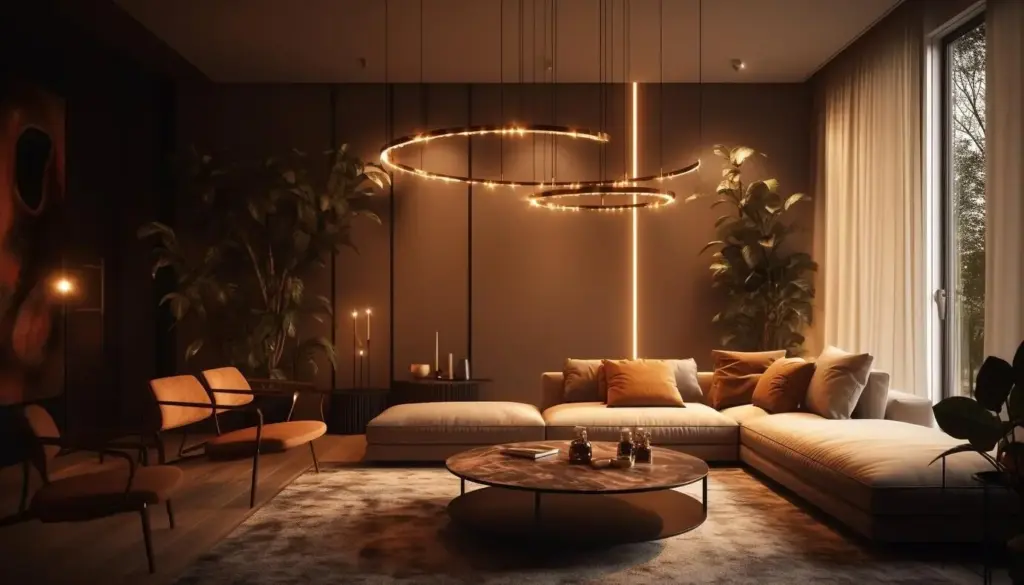
Today we explore layered lighting strategies for subtle high-end ambiance, where ambient, task, and accent sources are orchestrated like instruments in a quiet symphony. Expect nuanced guidance on color, materials, controls, and architectural details that elevate comfort, intimacy, and understated elegance. Share your questions, inspirations, and space photos with us, and join a community that celebrates refined glow, gentle shadows, and the art of making every corner feel intentionally illuminated.

Ambient Light as the Gentle Base

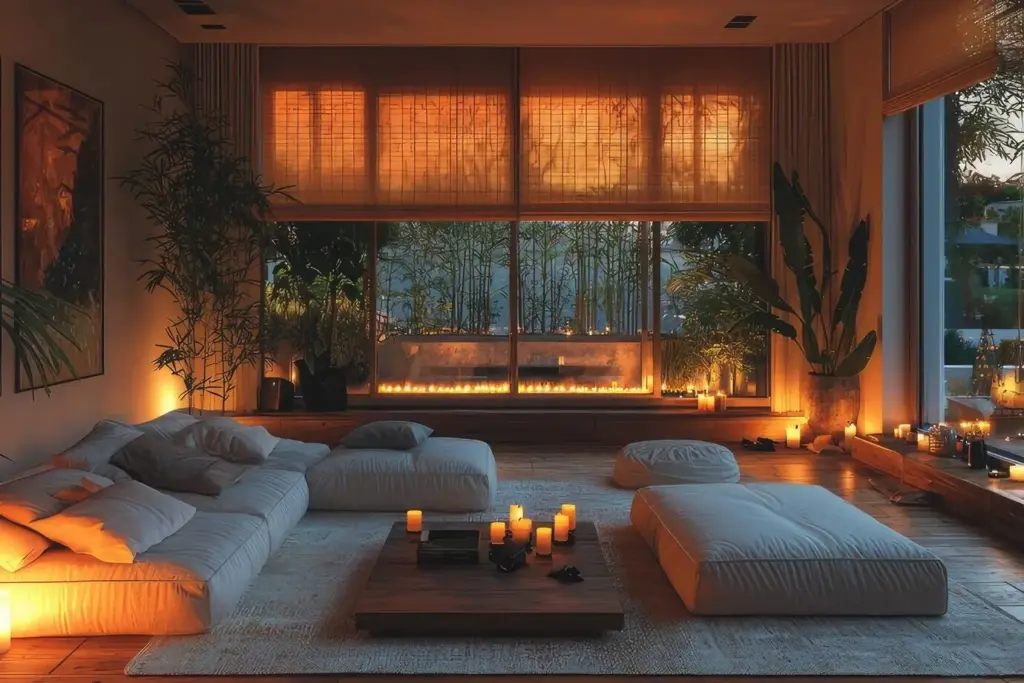
Ambient light establishes equilibrium, easing transitions between zones so the eye relaxes and colors remain faithful. Aim for soft, diffuse sources that remove harsh brightness contrasts. Architecturally integrated solutions like coves, concealed linear LEDs, and well-placed ceiling washes keep ceilings bright enough to feel spacious without glare. Share your experience with indirect lighting at home, and whether it fosters unhurried evenings, quieter conversations, and a palpable sense of calm across your living spaces.

Task Light That Disappears When Not Needed

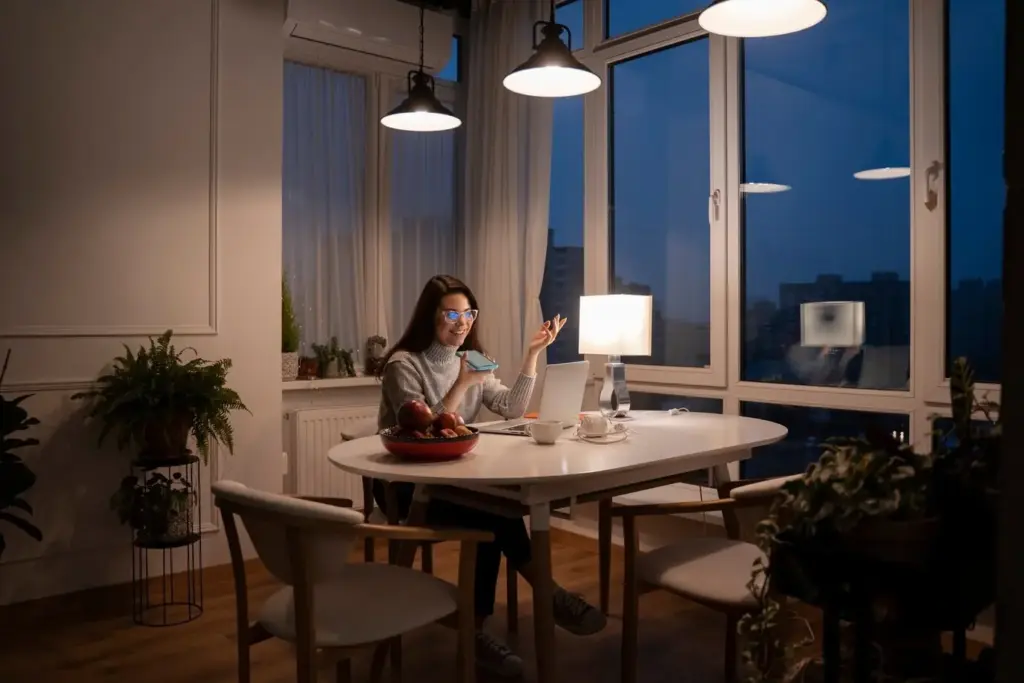
Task light should appear only when purpose calls, then recede elegantly. Precisely targeted beams for reading, chopping, or writing keep ambient levels modest while preserving comfort. Adjustable downlights with tight beam spreads or articulated swing-arm lamps deliver clarity without flooding the room. Consider the activities you perform nightly and where a focused pool of light could reduce eye strain. Comment with your favorite task fixture and how it transforms work into something almost meditative.

Accent Light for Depth, Texture, and Meaning

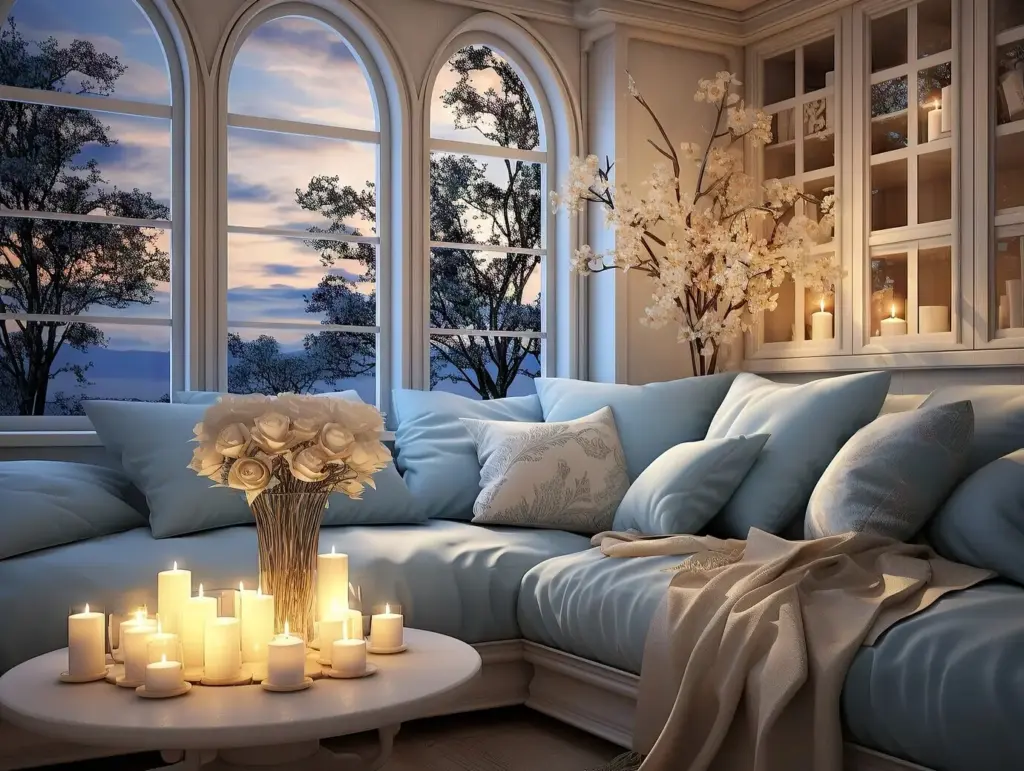
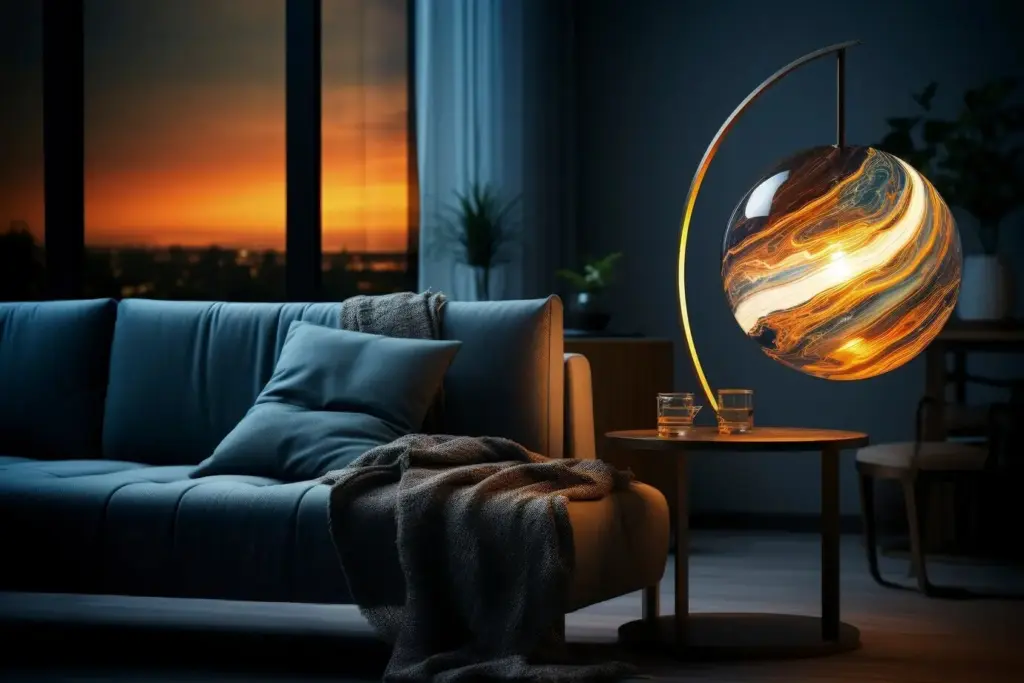
Accent light sculpts dimension by grazing stone, highlighting art, or catching the sparkle of glass. Use narrower beams to reveal textures, inviting exploration without overwhelming sightlines. Thoughtful hierarchy keeps focal points intentional, never cluttered. Try lighting one cherished object and dimming surrounding layers to watch ambience deepen. Tell us what stories your objects carry, and how a small halo or soft wall wash might draw guests closer, encouraging conversation and emotional connection.

Color Temperature, Rendering, and Finish Harmony
Warm-Dim Versus Fixed CCT

Warm-dim technology lowers color temperature as lights dim, echoing candlelight and sunset cues that ease the nervous system. Fixed CCT sources remain consistent regardless of brightness, helpful for task accuracy. In living spaces, warm-dim creates enveloping evening comfort, while fixed tones can support kitchens or studios. Consider blending approaches room by room. Tell us when you crave cozy warmth versus crisp clarity, and how that dance might guide your selections and daily lighting rituals.

Color Fidelity: CRI and TM-30 in Practice

Warm-dim technology lowers color temperature as lights dim, echoing candlelight and sunset cues that ease the nervous system. Fixed CCT sources remain consistent regardless of brightness, helpful for task accuracy. In living spaces, warm-dim creates enveloping evening comfort, while fixed tones can support kitchens or studios. Consider blending approaches room by room. Tell us when you crave cozy warmth versus crisp clarity, and how that dance might guide your selections and daily lighting rituals.

Finishes, Reflectance, and Visual Balance

Warm-dim technology lowers color temperature as lights dim, echoing candlelight and sunset cues that ease the nervous system. Fixed CCT sources remain consistent regardless of brightness, helpful for task accuracy. In living spaces, warm-dim creates enveloping evening comfort, while fixed tones can support kitchens or studios. Consider blending approaches room by room. Tell us when you crave cozy warmth versus crisp clarity, and how that dance might guide your selections and daily lighting rituals.

Architectural Techniques for Invisible Brilliance

Architectural lighting integrates illumination into the bones of a space, guiding eyes without calling attention to fixtures. Coves, recesses, and wall-washes create quietly luxurious backgrounds where people and materials shine. Thoughtful spacing, beam selection, shielding, and cut-off angles minimize glare. We’ll explore proven ratios and installation nuances to help you plan confidently. Ask questions about your ceiling heights, soffits, and wall textures, and we’ll reply with tailored tips that honor your project’s unique constraints.

Controls, Scenes, and Dimming that Feel Human

Luxury is felt in the timing of fades, the coherence of scenes, and the simplicity of interfaces. Whether using 0–10V, DALI, DMX, or smart home platforms, prioritize quiet transitions and intuitive naming. Set morning clarity, afternoon productivity, and evening unwind scenes that respect circadian rhythms. Invite your household to co-create presets and record feedback. Share your platform and fixture mix below, and we’ll outline compatibility checks, dimming curves, and commissioning steps to avoid flicker and frustration.

Materials, Surfaces, and the Poetry of Shadow

Textiles, Wood, and Stone Under Layered Light

Linen diffuses and softens; velvet drinks light; oiled oak glows under warm beams; honed marble prefers even wash to avoid blotches. Test samples under your proposed sources at multiple dim levels and temperatures. Keep accent modest so textures, not lumens, take center stage. Post your material palette, and we’ll suggest beam spreads and mounting heights that let fibers, grain, and veining read beautifully, preserving a refined hush and subtly cinematic atmosphere across living and dining spaces.

Mirrors, Metals, and Controlled Sparkle

Polished surfaces crave discipline. Use shielded accents to create measured glints rather than chaotic reflections. Brushed brass, smoked mirror, or antique silver can shimmer with gem-like restraint when beams are tight and off-axis. Consider black baffles to avoid lamp image hotspots. Share your reflective elements, and we’ll propose aiming strategies, dim levels, and optical accessories that preserve allure without glare, keeping the room’s narrative cohesive and restful while still delivering moments of delightful, jewelry-like brilliance.

Composing with Negative Space

Editing is essential. Leave pockets of quiet shadow between focal points to guide attention and let the eye rest. Not every niche needs illumination; intentional darkness heightens what is lit. Sketch sightlines from key positions—sofa, entry, dining chair—and ensure layering supports storytelling. Describe a room you’re refining, and we’ll help identify where to subtract light, not add it, reinforcing balance, rhythm, and the kind of calm that whispers luxury from the background, gently and confidently.

Common Mistakes and Elegant Fixes

Frequent issues include glare from exposed sources, over-bright ceilings, under-lit verticals, mismatched color temperatures, and incompatible dimming. Remedies often involve shielding, re-aiming, adding a wall-wash, standardizing CCT, or swapping drivers. Keep a punch list for night checks. Post your challenge, even a quick sketch, and we’ll suggest incremental adjustments that respect budget while restoring harmony, ensuring light supports architecture, materials, and mood rather than competing for attention or flattening carefully curated textures and tones.

Budgeting for Impact, Not Excess

Allocate generously to dimming quality, drivers, and a few exquisite accent moments. Save by limiting fixture counts and choosing reliable, well-finished lines rather than novelty. Prioritize areas you inhabit daily—kitchen, living, bedroom—then portal views that welcome guests. Share your target budget and project scope, and we’ll propose a tiered plan balancing performance, longevity, and sensory pleasure, protecting the subtlety you desire while delivering unmistakable refinement where it matters most, every single evening.

Commissioning, Documentation, and Care

Treat commissioning as choreography: aim, label, and record scene levels; note lamp types, drivers, and firmware. Photograph beam patterns for future reference. Create a seasonal tweak schedule with gentle adjustments, not constant reinvention. Clean lenses periodically and check dimming baselines. If you share your control system and fixture list, we’ll provide a simple upkeep checklist and naming conventions that keep your spaces readable, serene, and perfectly tuned—long after the final contractor leaves and life resumes gracefully.
Lunumapuhalipevifumozi
Privacy Overview

This website uses cookies so that we can provide you with the best user experience possible. Cookie information is stored in your browser and performs functions such as recognising you when you return to our website and helping our team to understand which sections of the website you find most interesting and useful.